
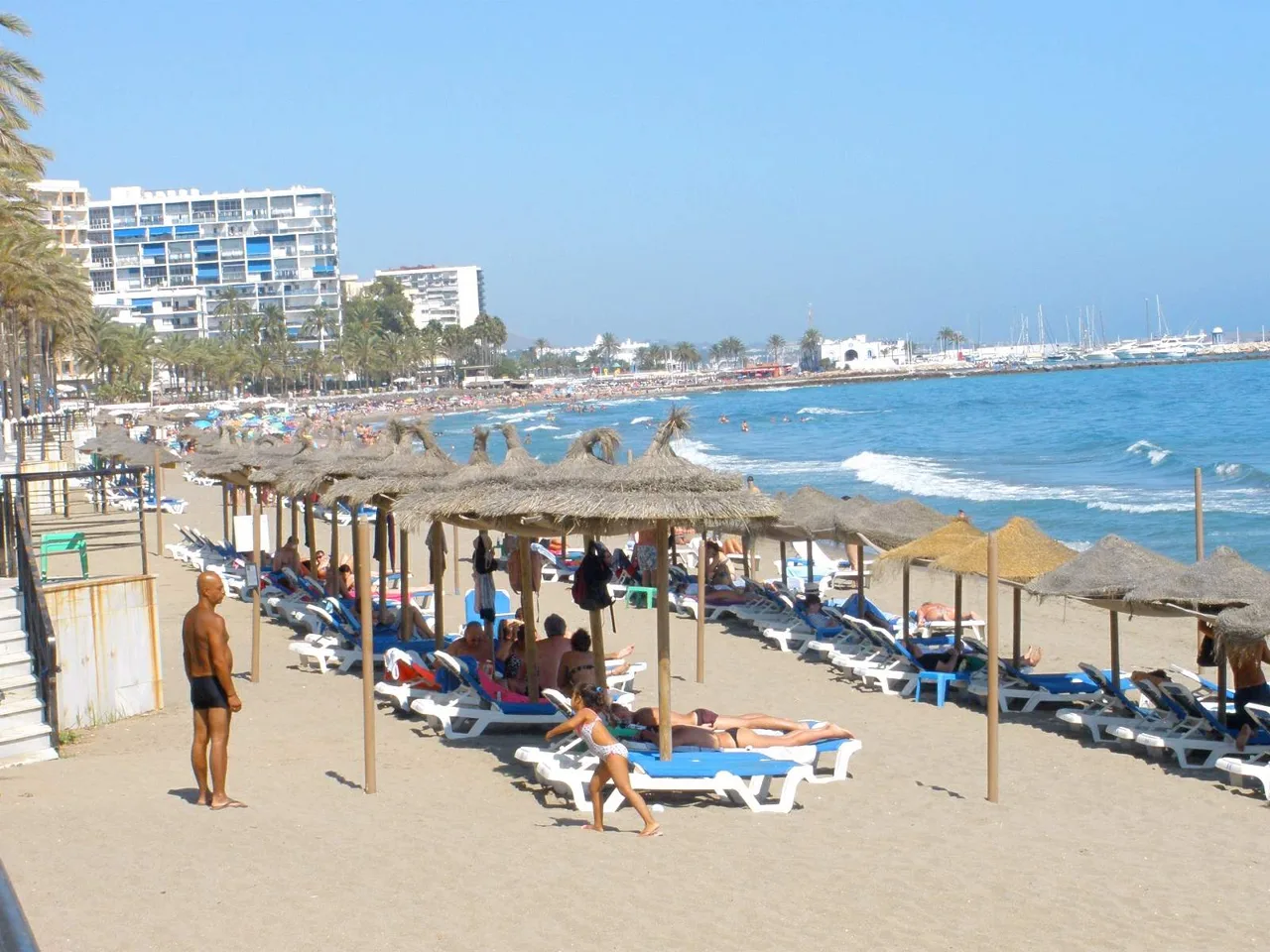
Playa de la Fontanilla with beachgoers, archive 30 November 2019; not proof of present winter conditions or venue services. Zarateman · CC0 · Resized and re-encoded to WebP; display may crop; derivative available under the same licence where share-alike applies.
The Best Beaches in Marbella
Guide to Marbella · 27 July 2026
In this guide
La Fontanilla is the best city beach, Nagüeles the calmest on the Golden Mile, San Pedro the best for families and Playa del Cable the best for sports.
Marbella spans 27 kilometres of Mediterranean coastline, divided into 24 distinct beaches stretching from Guadalmina in the west to the protected dunes of Cabopino in the east. According to official municipal records from Turismo de Marbella, the municipality averages over 320 days of sunshine each year, with sea temperatures recorded by AEMET rising from 17°C in May to peak averages of 23.5°C in August.
Whether you are looking for serviced sunbeds beside celebrated seafood restaurants or quiet ecological stretches flanked by native pine forests, here is our documentary guide to the best beaches in Marbella.
---
Marbella Beach Profiles & Official Metrics
The following data reflects measurements and environmental designations compiled from the Junta de Andalucía environmental registry and municipal surveys:
| Beach Name | Length & Width | Distance from Old Town | Sand Type | Key Facilities | Peak Water Temp (°C) |
|---|---|---|---|---|---|
| Playa de la Fontanilla | 1,000 m × 30 m | 0.8 km (10 min walk) | Fine golden sand | Lifeguards, showers, wheelchair ramps, chiringuitos | 23.4°C (Aug) |
| Playa de Nagüeles | 800 m × 40 m | 3.5 km (45 min walk / 8 min drive) | Fine golden / pale sand | Lifeguards, paddleboard hire, luxury beach clubs | 23.1°C (Aug) |
| Playa de Casablanca | 1,700 m × 30 m | 2.0 km (25 min walk) | Golden sand & pebble mix | Outdoor fitness gym, showers, footbaths, sun loungers | 23.2°C (Aug) |
| Playa de Cabopino (Artola) | 1,200 m × 30 m | 14.0 km (15 min drive / Bus L-79) | Fine natural golden sand | Boardwalk trails, natural monument status, nudist zone | 23.6°C (Aug) |
| Playa del Cable (Bounty) | 1,300 m × 70 m | 1.8 km (20 min walk) | Medium dark golden sand | Beach volleyball, showers, seasonal chiringuitos | 23.3°C (Aug) |
---
Playa de la Fontanilla
Situated immediately west of the Puerto Deportivo (Marbella's leisure port), Playa de la Fontanilla is the most accessible central beach for visitors based in the town centre. Running for roughly 1,000 metres parallel to the paved Paseo Marítimo, it is accessible in less than 10 minutes on foot from the Plaza de los Naranjos.
Because of its sheltered position and gradual slope into the water, Fontanilla holds regular Blue Flag accreditation overseen by Spain.info. The shoreline is serviced by municipal lifeguards between 11:00 and 20:00 from mid-June to mid-September. The promenade behind the sand is packed with traditional seafood establishments; if you plan to lunch right on the seafront, our guide on Where to Eat in Marbella: Our Local Favourites highlights the best spots for grilled sardines and local paella.
Playa de Nagüeles
Positioned along the exclusive Golden Mile (Milla de Oro), Playa de Nagüeles sits directly in front of the landmark Marbella Club and Puente Romano resorts. Backed by coastal palms, mature umbrella pines, and low-rise whitewashed villas, it is notably quieter than the central town beaches, even during the peak holiday months of July and August.
The beach measures approximately 800 metres in length and averages 40 metres in width. Its clean, clear waters and gentle swell make it ideal for open-water swimming and stand-up paddleboarding (boards are available to rent from water-sports kiosks on the sand). Those seeking refined daybeds, valet parking, and international DJ sets will find several of the coast's premier venues here, as detailed in our guide to the Best Beach Clubs in Marbella.
Playa de Casablanca
Beginning at the western edge of the town centre near the copper-domed Marbella Club pier, Playa de Casablanca stretches for 1.7 kilometres towards Puerto Banús. The sand here is backed by a broad section of the Senda Litoral—the continuous wooden and paved coastal footpath linking the western Costa del Sol.
Casablanca is characterised by abundant green spaces, including eucalyptus groves that offer natural shade during the 30°C afternoon heat of midsummer. It features fully adapted access ramps for prams and wheelchairs, public showers, and clean public toilets managed by the local council. For families and long-distance walkers, it serves as the most tranquil serviced beach within walking distance of central hotels.
Playa de Cabopino (Dunas de Artola)
Located 14 kilometres east of Marbella centre, Playa de Cabopino forms part of the Dunas de Artola, declared a Natural Monument by the Andalusian government in 2001. Unlike the urbanized stretches closer to town, Cabopino is free from high-rise seafront developments.
The beach is divided into two distinct zones: the serviced family area directly east of Cabopino Marina, where pedalos and sunbeds are available, and the expansive wild dunes to the west, which include an officially designated naturist area. Elevated wooden boardwalks wind through the fossil dunes and protect native sea daffodils (Pancratium maritimum) and maritime juniper scrub. The 16th-century Torre Ladrones, a 15-metre-high defensive watchtower, anchors the eastern edge of the dunes.
---
The local secret
While central car parks charge premium summer rates and fill up before 11:00, locals head to the residential avenues of Las Chapas and Elviria (between kilometres 189 and 191 on the A-7) to access Playa de Real de Zaragoza. Park near Avenida del Limonar and use the pedestrian footpaths to reach a 1.5-kilometre ribbon of fine, golden sand where sunbed hire is typically 30% cheaper than on the Golden Mile, and the water stays crystal-clear because there is no adjacent commercial harbour.
---
Planning your beach days
If you are deciding where to base yourself along the coastline, read our breakdown on Where to Stay in Marbella: Areas Explained to match your accommodation with your preferred stretch of sand. The western districts near Puerto Banús cater to yachting and beach party venues, while eastern Marbella offers the widest, naturally sandy beaches suited for children and quiet swimming.
---
Questions people ask
Which beach in Marbella has the finest sand? Playa de Cabopino (Artola) and Playa de Real de Zaragoza feature the finest natural golden sand in the municipality. Central urban beaches like Fontanilla and Venus have a slightly denser, coarse sand texture maintained by municipal regeneration programmes.
Are Marbella beaches free to access? Yes. Under Spanish coastal law (Ley de Costas), all beaches across Spain are entirely open to the public without admission fees. You only pay if you choose to hire private sun loungers, parasols, or nautical equipment from licensed concessionaires.
When is the sea warm enough for swimming in Marbella? Official sea surface temperatures recorded by meteorological stations show comfortable swimming conditions (20°C and above) from mid-June through late October. Peak water warmth occurs in August at approximately 23.5°C.
Are there lifeguards on Marbella beaches? Municipal lifeguard services operate daily on all main urban and semi-urban beaches from 15 June until 15 September, between 11:00 and 20:00. Look for the colour-coded safety flags hoisted at designated lifeguard towers along the shoreline.
Related articles
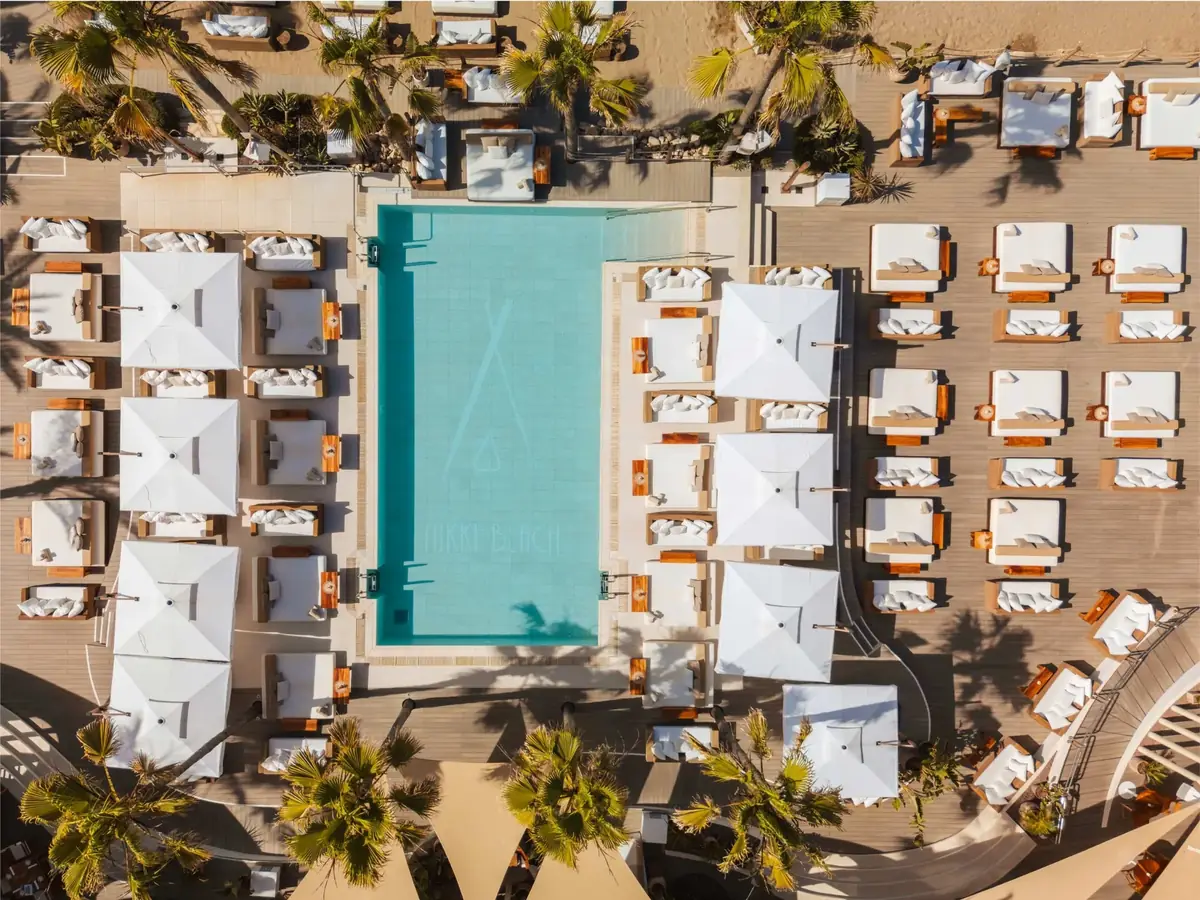
Best Beach Clubs in Marbella
The best beach clubs in Marbella, from Nikki Beach to family chiringuitos: prices, sunbeds, music and booking tips on the Costa del Sol.
Read more about Best Beach Clubs in Marbella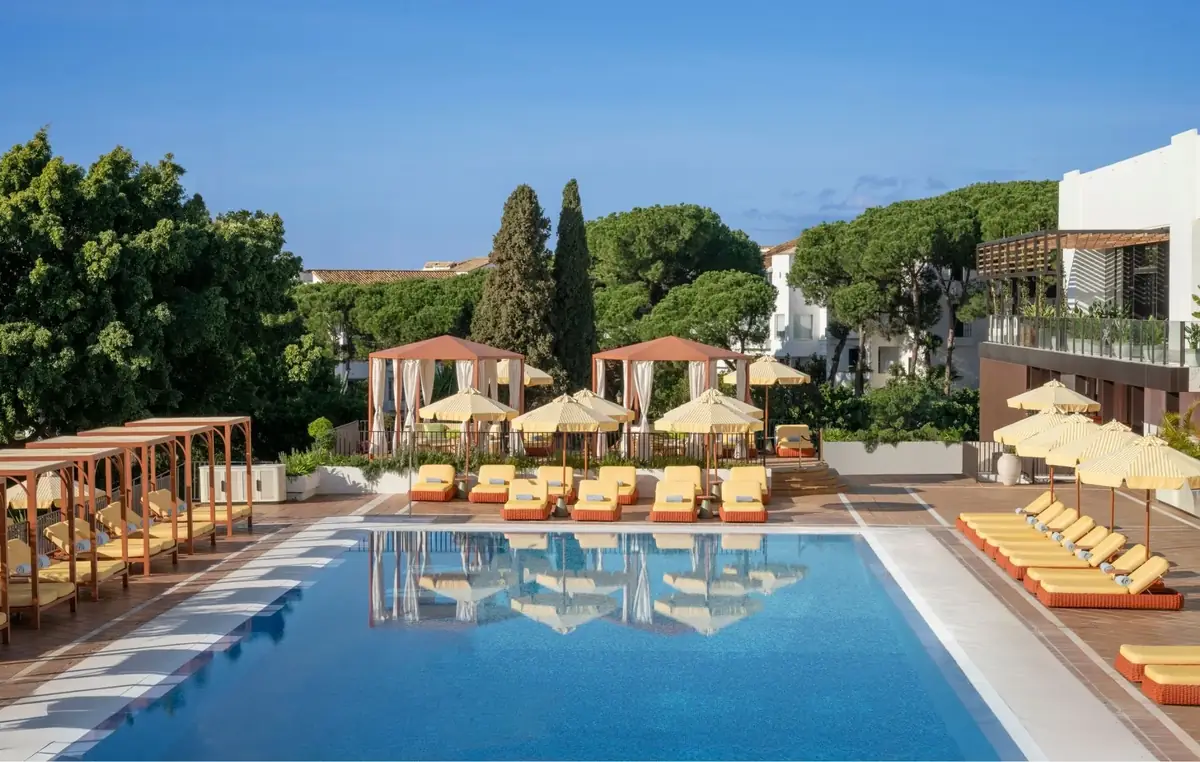
Family-Friendly Beach Clubs in Marbella: A Local Parent's Guide
Discover the best family-friendly beach clubs in Marbella. Safe beaches, relaxed vibes, kids' menus, and honest pricing tips for your Costa del Sol holiday.
Read more about Family-Friendly Beach Clubs in Marbella: A Local Parent's Guide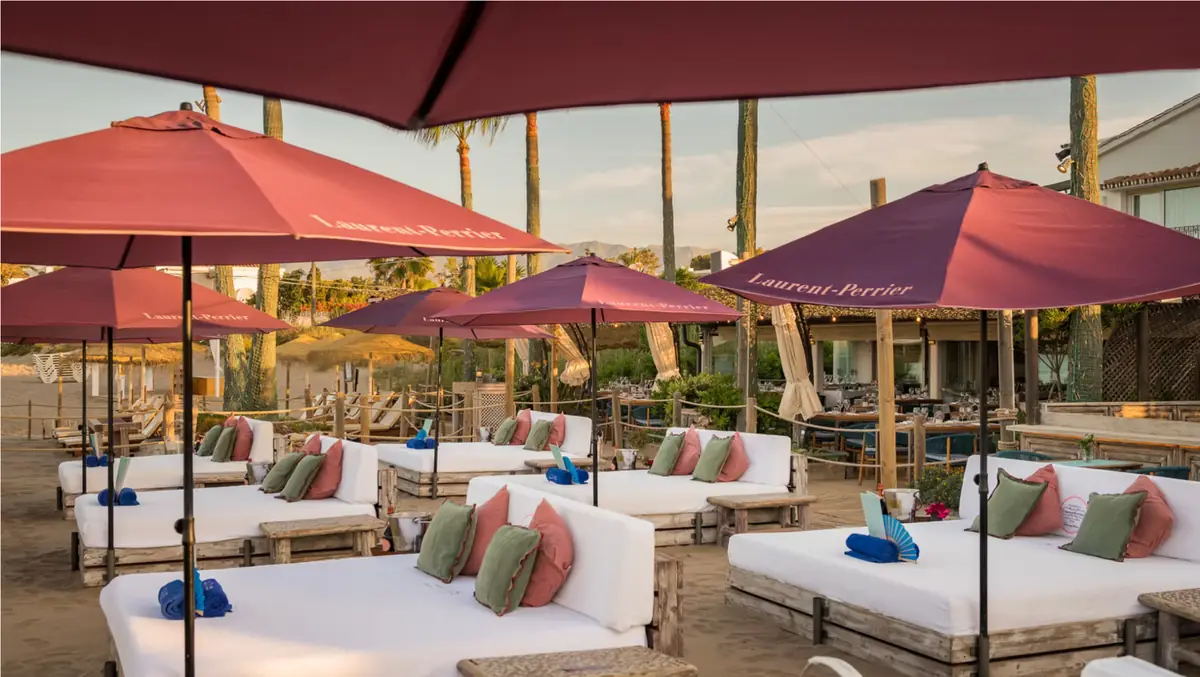
How Much Does a Beach Club Day Cost in Marbella?
What a beach club day really costs in Marbella: sunbeds, minimum spend and menus, plus cheaper Costa del Sol alternatives in Andalusia.
Read more about How Much Does a Beach Club Day Cost in Marbella?