
Is Marbella Expensive? A Realistic 2026 Budget Guide
Guide to Marbella · 6 septembre 2026
Dans ce guide
Marbella carries a reputation for high-end luxury, but everyday expenses vary dramatically depending on the neighbourhood and time of year. While VIP venues in Puerto Banús and the Golden Mile command steep prices, the historic Old Town and residential districts offer traditional Andalusian dining and mid-range stays at reasonable rates. A holiday here can easily be tailored to modest, mid-range, or luxury budgets.
The short answer: understanding Marbella's price divide
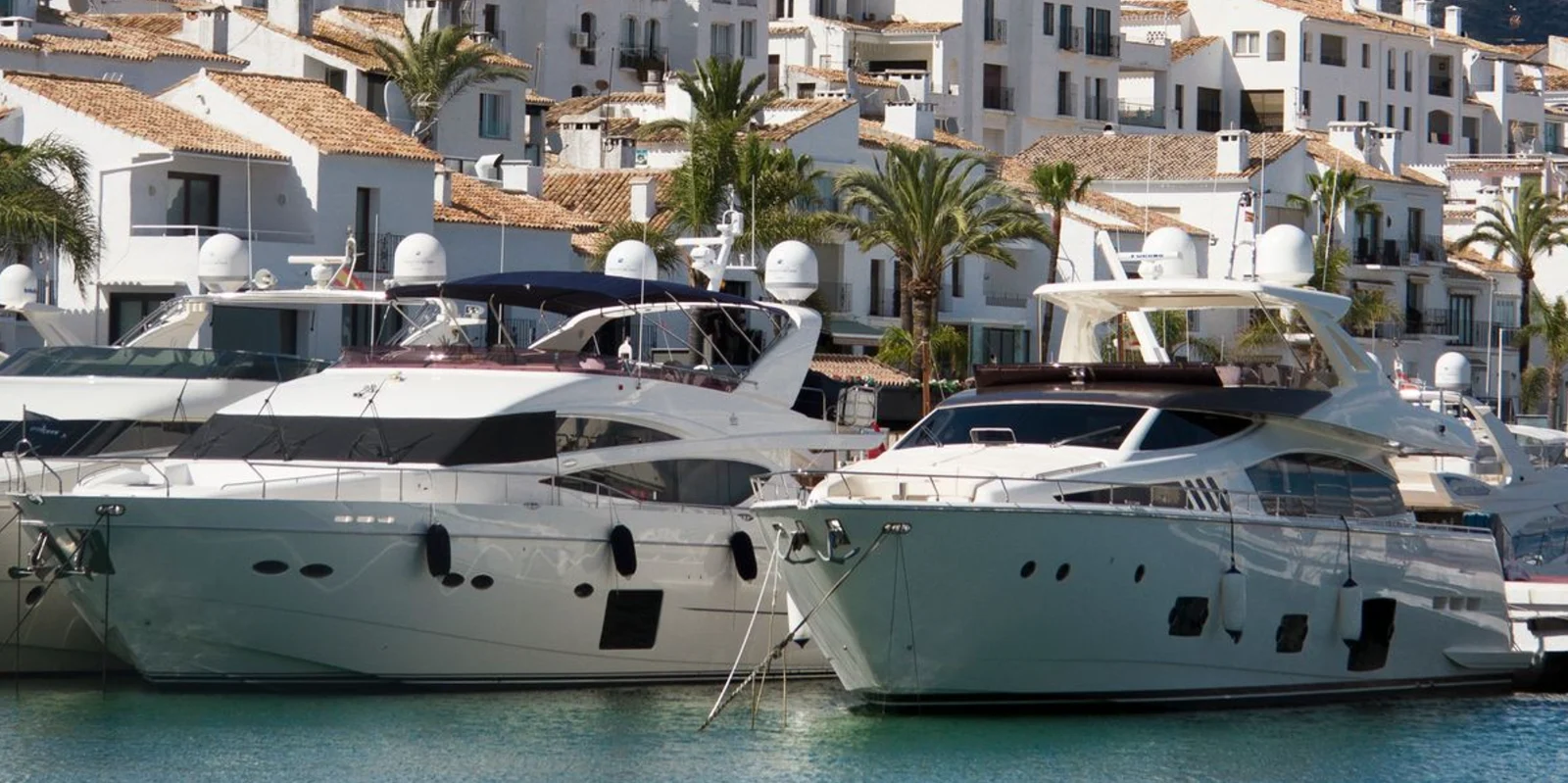
Marbella has long held a reputation as the playground of Southern Europe’s wealthy elite. Images of superyachts moored beside designer boutiques in Puerto Banús, bottle-service beach clubs, and five-star resorts along the Golden Mile reinforce the idea that visiting requires deep pockets. However, official demographic and municipal data paints a more complex picture.
According to the Instituto Nacional de Estadística (INE), Marbella is a thriving coastal city of over 156,000 registered residents representing more than 140 nationalities across its 117-square-kilometre municipal boundary. As a result, Marbella is effectively two economies occupying the same coastline. On one hand, you have the international luxury enclaves centred on Puerto Banús, the Puente Romano strip, and gated hillside urbanisations like La Zagaleta. On the other, you have an authentic Andalusian municipality with working-class residential districts like Miraflores and Divina Pastora, bustling municipal food markets, and a historic pedestrianised quarter where multi-generational Spanish families live year-round.
Whether Marbella feels expensive depends almost entirely on three variables: where you base yourself, the season you visit, and the dining and entertainment venues you patronise. If you spend every afternoon on a reserved daybed sipping Champagne and dining at Michelin-starred venues, your trip will cost as much as one to Saint-Tropez or Monaco. If you choose family-run tapas bars, explore municipal beaches, and stay in boutique guesthouses, prices sit only 10 to 15 per cent above the wider Costa del Sol baseline.
Accommodation costs: from boutique townhouses to Golden Mile resorts
Accommodation represents the single largest expenditure for any visitor to Marbella. The pricing spectrum across the municipality is exceptionally broad, and location dictates the nightly rate more than any other factor. Reviewing our guide on where to stay in Marbella before committing to a booking is the most reliable way to align your accommodation choice with your budget.
| Accommodation Tier | Off-Peak (Nov–Apr) | Shoulder (May–Jun, Sep–Oct) | Peak Summer (Jul–Aug) |
|---|---|---|---|
| 5-Star Luxury Resort | €350 – €650 / night | €600 – €1,100 / night | €950 – €2,500+ / night |
| 4-Star Seafront Hotel | €90 – €160 / night | €160 – €280 / night | €280 – €550 / night |
| Old Town Boutique Hotel | €75 – €130 / night | €120 – €220 / night | €190 – €380 / night |
| Central Hostal / Guesthouse | €40 – €70 / night | €65 – €110 / night | €110 – €180 / night |
| 2-Bed Holiday Apartment | €70 – €120 / night | €110 – €200 / night | €220 – €450 / night |
At the top tier, flagship properties such as the Marbella Club Hotel and Puente Romano along the 6-kilometre Golden Mile command top-bracket international rates. During July and August, entry-level double rooms at these landmark resorts consistently exceed €1,000 per night, catering to travellers seeking private beach clubs, manicured subtropical gardens, and high concentrations of signature restaurants on site.
For mid-range travellers, the sweet spot sits in the independent four-star hotels along Marbella’s seafront promenade (Paseo Marítimo) or the boutique properties tucked into the cobbled alleys of the Casco Antiguo (Old Town). In shoulder season months such as May or October, double rooms in these locations generally range between €120 and €220 per night, placing you within a 5-minute walk of both the beach and traditional dining.
Budget travellers and long-stay visitors often secure the best value in residential San Pedro de Alcántara (3 kilometres west of Puerto Banús) or eastern districts such as El Rosario and Elviria. In town, modest family-run hostales near Calle Caridad or Parque de la Alameda provide clean, air-conditioned en-suite rooms from €40 to €70 per night during the cooler months.
Eating out and drinking: tapas bars versus waterfront dining
Food in Marbella ranges from exceptional value to exorbitant, depending entirely on which side of the coastal road you sit. The municipality benefits from immediate access to the Mediterranean and the agricultural heartland of Andalusia, detailed by spain.info, ensuring that top-quality local produce is readily available at reasonable prices.
For high-value dining, walk 200 metres inland from the shoreline into the Old Town or the residential streets behind Avenida Ricardo Soriano. Traditional tapas bars continue the regional custom of serving generous portions of fried fish (pescaíto frito), Russian salad (ensaladilla rusa), and Iberian cured ham (jamón ibérico) for €3.50 to €6.00 per plate. A lunchtime menú del día (fixed-price weekday lunch) at a traditional neighbourhood mesón typically costs between €11.00 and €15.00, including two courses, bread, a drink (beer, wine, or water), and dessert or coffee.
By contrast, frontline dining at Puerto Banús or Puente Romano carries a substantial real estate markup. Expect to pay €28.00 to €45.00 for basic pasta or poultry main courses, and upward of €80.00 per kilogram for wild-caught whole fish baked in sea salt. For a full breakdown of culinary options across all price points, consult our guide on where to eat in Marbella.
Breakfast remains an everyday bargain across the entire municipality. A morning café con leche paired with a pitufo (a small toasted roll with crushed tomato and extra virgin olive oil) at a local cafeteria costs between €2.50 and €3.50.
Beach clubs, loungers, and sea days
According to municipal surveys by the Ayuntamiento de Marbella, Marbella spans 27 kilometres of coastline divided into 24 distinct public beaches. Under Spanish coastal law (Ley de Costas), all beaches are public property up to the high-water line, meaning you can lay a towel down on any stretch of sand free of charge.
Most managed beach stretches feature concession-operated chiringuitos (beachfront bar-restaurants) that rent standard sun loungers (hamacas) and parasols:
- Standard Municipal Beach Beds: €7.00 to €15.00 per person per day for a standard cushioned lounger and shared parasol on central beaches like Playa de la Fontanilla or eastern stretches like Playa Real de Zaragoza.
- Mid-Tier Beach Venues: €25.00 to €50.00 per set at styled private beach concessions in San Pedro or Elviria, often including towel service.
- Commercial Luxury Beach Clubs: Commercial day clubs operate on an entirely different scale. Venues like Ocean Club or Nikki Beach charge between €150.00 and €500.00+ for entry-level double sunbeds or daybed packages in peak season, frequently coupled with minimum spend requirements on food and Champagne.
The local secret
Inside the municipal Mercado Central de Marbella (Calle Francisca Teja, a 3-minute walk north of Plaza de los Naranjos), you can purchase fresh, wild-caught red mullet, sardines, or prawns directly from traditional fishmongers at standard local retail rates (typically €8 to €15 per kilo). The market's perimeter cafeteria stalls will then clean and grill (a la plancha) your seafood on the spot for a small kitchen preparation fee of around €4 to €6 per platter, serving it with lemon and bread—delivering the freshest seafood lunch in town at a fraction of frontline restaurant prices.
Getting around: transfers, buses, and taxis
Marbella remains the only Spanish city with over 100,000 residents without a direct railway station. Ground transport relies on the A-7 coastal highway and the AP-7 toll motorway (Autopista del Sol).
When working out logistics for getting to Marbella from Málaga Airport, you have clear trade-offs between cost and speed:
- Avanza Express Bus: Operates directly from the arrivals terminal at Málaga-Costa del Sol Airport (Aena) to Marbella Central Bus Station. The 52-kilometre journey takes 45 minutes and costs roughly €6.50 to €9.80 each way.
- Airport Taxis & Private Transfers: Metered airport taxis at the official rank cost between €65.00 and €85.00 one way depending on the time of day and luggage, taking roughly 35 to 45 minutes.
- Urban Bus Network: Within the town, the local urban bus network operated by Avanza (such as Línea 1 and Línea 2 connecting the bus station, town centre, and Puerto Banús) costs €1.18 per single ticket for non-residents.
- Taxis and Ride-Hailing Apps: Licensed metered taxis (with illuminated green roof lights) and apps like Uber and Cabify operate across the municipality. A short 3-kilometre ride within the town centre costs approximately €7.00 to €10.00, while a journey between Marbella centre and Puerto Banús (roughly 7.5 kilometres) runs between €13.00 and €20.00, rising during peak summer nights when traffic slows on the A-7.
Seasonality: how timing changes the bill
The climate data recorded by the Agencia Estatal de Meteorología (AEMET) shows Marbella averages over 300 sunny days per year and a mean annual temperature of 18.5°C, shielded by the 1,200-metre Sierra Blanca mountain range. This microclimate makes off-season visits practical and significantly cheaper.
| Season | Months | Daytime Avg Temp (°C) [AEMET] | Sea Temp (°C) | Mid-Range Hotel (Nightly) | Typical Overall Trip Expense |
|---|---|---|---|---|---|
| Peak Summer | July – August | 29°C – 32°C | 23°C – 24°C | €280 – €550 | Premium (100% baseline) |
| Shoulder Season | May – June, Sept – October | 22°C – 27°C | 19°C – 22°C | €120 – €250 | Moderate (-35% to -50%) |
| Low Season | November – April | 16°C – 20°C | 15°C – 17°C | €65 – €120 | Budget-friendly (-60% to -75%) |
- Peak Summer (July – August): Maximum pricing for hotels, villa rentals, and nightlife. Minimum spend commitments at beach clubs are strictly applied, and advance reservations are necessary weeks ahead.
- Shoulder Season (May – June & September – October): The most practical compromise between warm swimming weather and reasonable expenditure. Hotel rates drop by 35 to 50 per cent compared to August, and the town's promenade is pleasantly uncrowded.
- Low Season (November – April): Ideal for hikers, golfers, and cultural visitors. Many luxury hotels offer substantial promotions, long-let apartment rentals drop dramatically, and local tapas bars cater primarily to permanent residents with standard off-season pricing.
Who Marbella suits (and who should look elsewhere)
Understanding Marbella's character helps avoid costly mismatches:
Marbella is ideal for:
- Travellers who appreciate a balance of historical Andalusian architecture and upscale dining infrastructure.
- Couples and groups seeking well-maintained coastal paths, golf courses, and beach club culture.
- Families looking for clean, calm Mediterranean beaches with lifeguards, pedestrianised old quarters, and accessible day excursions.
You might prefer elsewhere if:
- You are on a strict backpacking budget under €40 per day (cities like Granada, Seville, or Málaga provide larger hostel networks and cheaper cultural attractions).
- You want an untouched, isolated fishing hamlet with zero international tourism footprint (the smaller towns of the Costa de la Luz or eastern Almería are better matches).
- You depend entirely on local rail travel to explore surrounding regions without buses or cars.
Common tourist traps and how to avoid them
- *Unchecked Fresh Fish al Peso: At seaside restaurants, fresh whole fish is routinely priced per 100 grams or per kilogram on the daily board (e.g., Lubina salvaje* at €7.50/100g). Always ask the waiter to confirm the total weight and final price of the specific fish before it goes on the grill.
- Frontline Marina Beverage Markups: Ordering a draught beer (caña) or sparkling water directly on the frontline slipway of Puerto Banús can cost €7.00 to €10.00, whereas the exact same drink costs €2.50 to €3.50 two streets back in the Plaza Antonio Banderas area.
- Unnecessary Car Rental for Town-Only Breaks: If your itinerary is concentrated between the Old Town, the seafront promenade, and the beach, hiring a rental car creates unnecessary expenses in public car park fees (often €20.00 to €30.00 per day in central garages) and heavy summer traffic. Rent vehicles only for day trips to Ronda, the Caminito del Rey, or Casares.
- Unregulated Private Cabs: Late at night outside beach clubs or Puerto Banús, avoid unlicensed drivers offering flat-rate rides. Stick to official white municipal taxis with taximeters or verified app bookings (Uber/Cabify) to avoid arbitrary pricing.
Realistic daily budget brackets for 2026
To calculate your budget accurately, use these three realistic daily estimates per person (excluding flights):
- The Savvy Local Budget (€60 – €95 per day):
- Accommodation: €35 – €55 (twin share in a central hostal or shoulder-season apartment)
- Food: €20 – €30 (bakery breakfast, €12 menú del día, evening tapas)
- Transport & Activities: €5 – €10 (public buses, walking the Paseo Marítimo, municipal beaches)
- The Balanced Comfort Budget (€150 – €280 per day):
- Accommodation: €80 – €150 (twin share in a 4-star seafront hotel or Old Town boutique property)
- Food: €50 – €85 (café breakfast, seaside chiringuito lunch, mid-range dinner with wine)
- Transport & Activities: €20 – €45 (occasional taxi, standard beach sunbed hire, historical entry fees)
- The Luxury Lifestyle Budget (€550 – €1,500+ per day):
- Accommodation: €350 – €900+ (5-star Golden Mile resort or luxury beachfront suite)
- Food: €150 – €350 (fine dining, marina-front lunches, premium wines)
- Transport & Activities: €50 – €250+ (VIP beach club cabana reservations, private airport transfers, golf green fees)
Questions people ask
Is Marbella more expensive than Málaga city? Yes. Marbella is generally 25 to 40 per cent more expensive than Málaga city for accommodation and dining. Málaga functions as a regional administrative capital with a massive year-round university and residential base that maintains competitive pricing, whereas Marbella features a much higher concentration of luxury resorts, private estates, and seasonal hospitality concepts.
Can you visit Marbella on a tight budget? Yes. It is entirely possible to visit Marbella on a modest budget if you stay in family-run guesthouses (hostales) or self-catering apartments in San Pedro or Central Marbella, eat at neighbourhood bars away from the seafront, and take advantage of the free 27-kilometre coastline and public parks.
Why are beach clubs in Marbella so pricey? Marbella's commercial beach clubs are day-resort entertainment venues featuring international DJs, dedicated security, pool infrastructure, and premium service rather than basic beach concessions. Their prices reflect operational overheads, seasonal demand, and minimum consumption spends for private daybeds.
Is tap water safe to drink in Marbella? Yes. Tap water supplied by the local municipal water company (Hidralia) meets strict Spanish and European Union sanitary standards and is safe for drinking and cooking. Due to the high mineral and calcium content typical of coastal limestone geology, many locals prefer the flavour of filtered or bottled mineral water, but tap water poses no health risks.
Do you need to tip in Marbella restaurants? Tipping is not legally required in Spain, as staff wages and service charges are included in the menu prices. However, leaving 5 to 10 per cent in cash for attentive table service at mid-range and upscale restaurants is customary and appreciated. For casual coffees or bar tapas, leaving small change (such as €0.50 to €1.00) is standard local practice.
Articles liés
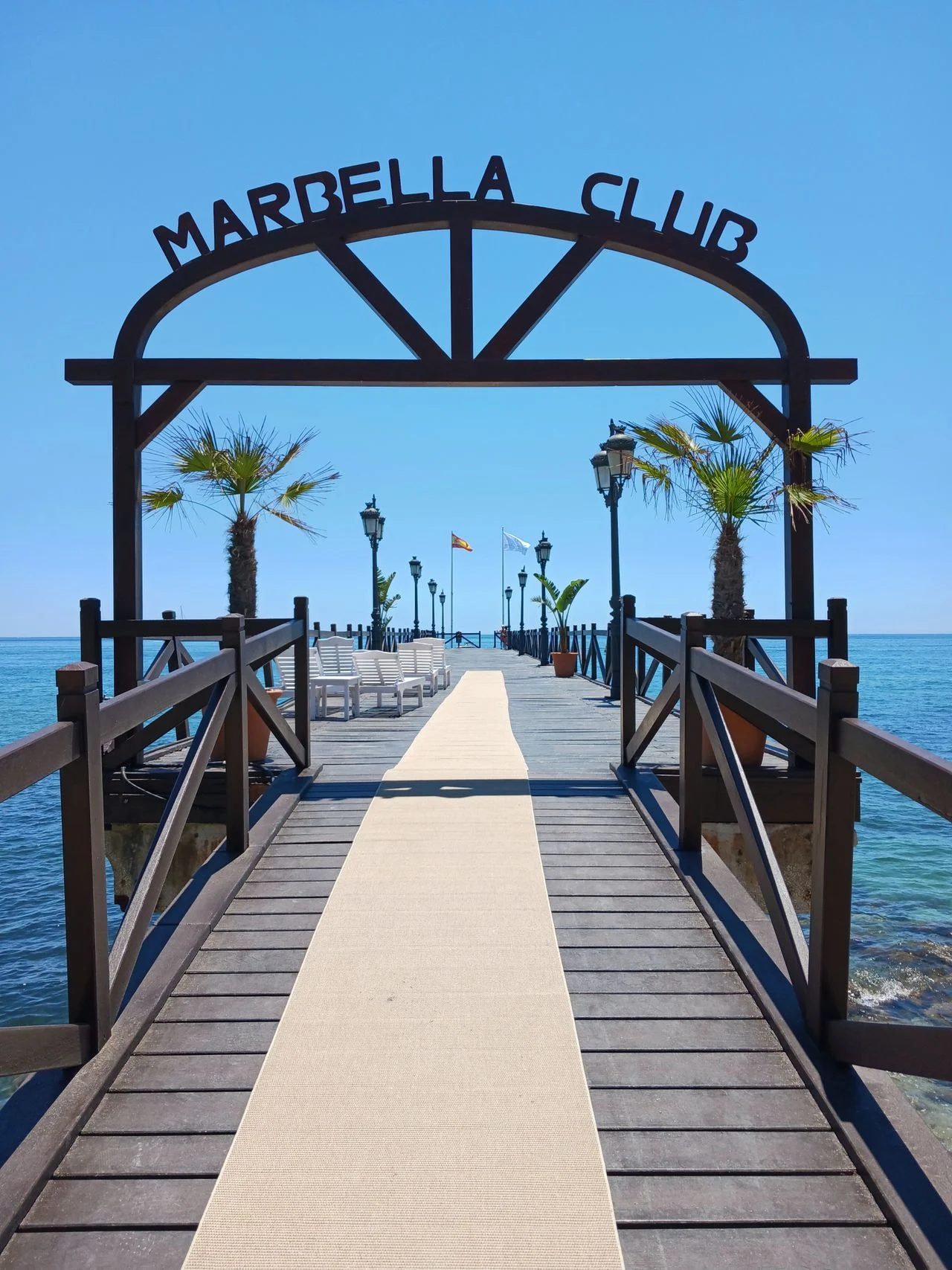
Marbella in October: Weather, Events and What's Open
Visiting Marbella in October? Discover autumn weather, sea temperatures, the San Pedro Feria, beach club closings, and local travel advice.
En savoir plus sur Marbella in October: Weather, Events and What's Open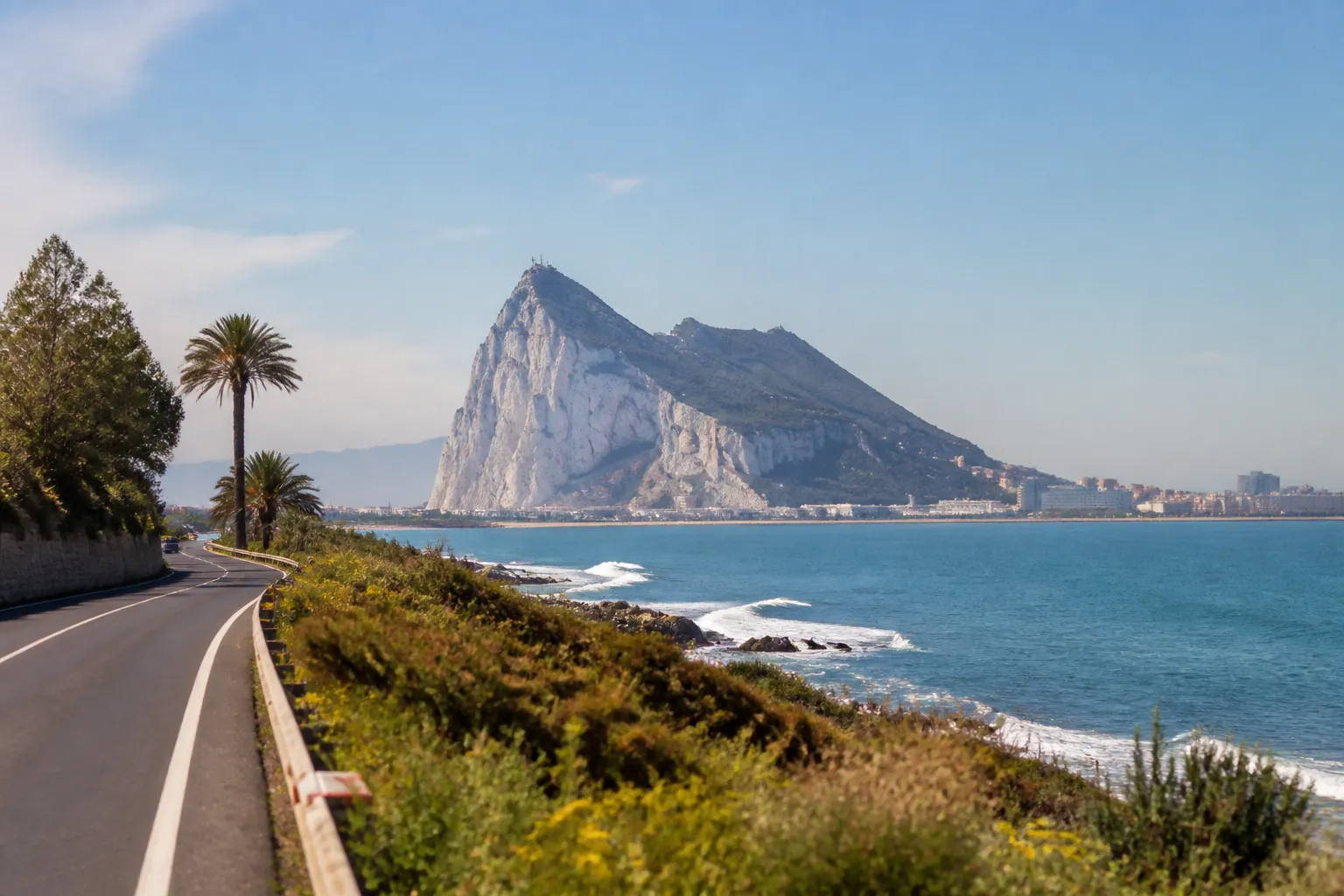
How to Get from Marbella to Gibraltar: Complete Transport and Border Guide
Plan your trip from Marbella to Gibraltar. Compare driving routes, buses, parking in La Línea, and border tips for a seamless day trip.
En savoir plus sur How to Get from Marbella to Gibraltar: Complete Transport and Border Guide
Getting to Marbella from Málaga Airport
Bus, taxi, transfer or car hire: the fastest and cheapest ways to reach Marbella.
En savoir plus sur Getting to Marbella from Málaga Airport