
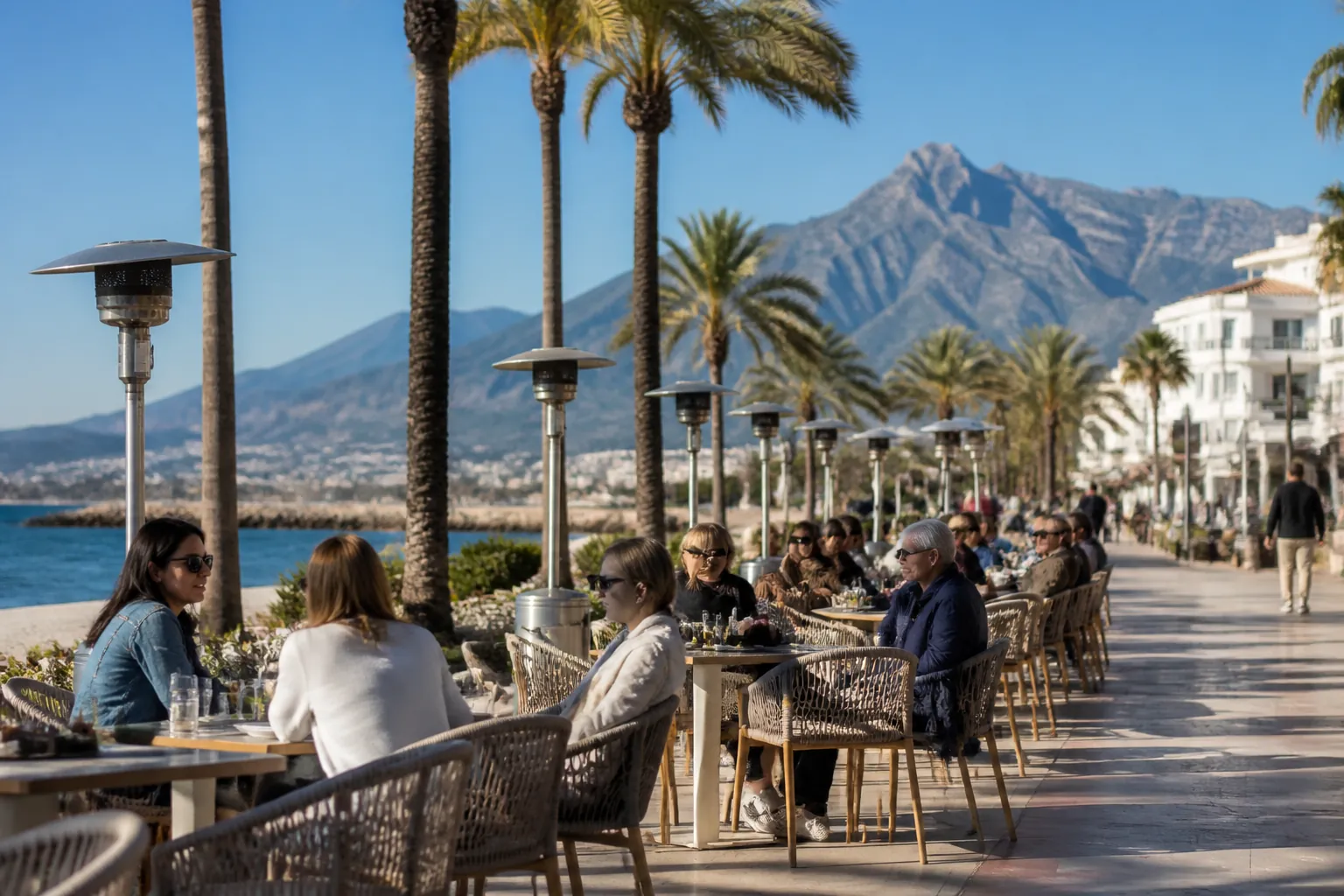
Illustrative image — not an official photo of this place. Source: Guide to Marbella illustration.
What Is Marbella Like in Winter? Local Weather, Vibe, and Guide
Guide to Marbella · 24 de septiembre de 2026
En esta guía
Marbella in winter offers exceptionally mild, sunny weather with average daytime temperatures hovering between 16°C and 20°C. Protected by the towering Sierra Blanca mountains, the town escapes the harsh cold found across northern Europe, enjoying roughly six hours of daily sunshine. While the sea is brisk and high-energy summer beach clubs close for the season, winter is the premier period for hiking, golf, cycling along the promenade, and unhurried dining in the historic centre.
While northern Europe shivers under leaden skies, Marbella during the winter months tells a completely different story. The Costa del Sol hub trades the pulsating basslines of seasonal mega-beach clubs and congested coastal roads for golden horizontal sunlight, crisp blue horizons, and an unhurried, authentically Andalusian rhythm of life.
Understanding Marbella weather in winter is essential if you are planning an off-season escape, a remote working stint, or a scouting trip for property. Far from shutting down, the municipality transitions into its most comfortable, active, and accessible season.
The microclimate explained: Why Marbella stays mild
Marbella enjoys a unique topographical advantage that sets it apart from much of southern Europe. The municipality is sheltered directly behind by the Sierra Blanca—a dramatic limestone massif crowned by the 1,215-metre peak of La Concha.
According to observational records from the Agencia Estatal de Meteorología (AEMET), this geological wall blocks cold northern winds while trapping the temperate air moving across the Alboran Sea. Consequently, Marbella records an average of over 320 sunny days per calendar year.
During the daytime, coastal temperatures along the Mediterranean shoreline regularly sit between 16°C and 20°C in the shade, frequently feeling several degrees warmer when seated under direct sun on the Paseo Marítimo. Once the sun drops behind the western ridges of the Serranía de Ronda around 18:00, radiant heat dissipates quickly, dropping night-time figures to between 8°C and 11°C.
Precipitation is episodic rather than persistent. Marbella registers an average of 4 to 6 rainy days per month between December and February. Rainfall typically arrives with Atlantic frontal systems that push through in concentrated 24- to 48-hour bursts, leaving behind spotless skies and exceptional atmospheric clarity.
Winter weather and seasonal metrics
The table below outlines verified meteorological averages alongside civic and travel metrics for Marbella during the winter quarter, based on data from AEMET, the Instituto Nacional de Estadística (INE), and local municipal records.
| Metric | December | January | February |
|---|---|---|---|
| Average Daytime High (°C) | 17.5°C | 16.8°C | 17.9°C |
| Average Night-time Low (°C) | 9.2°C | 8.4°C | 9.1°C |
| Average Sea Temperature (°C) | 16.5°C | 15.5°C | 15.0°C |
| Average Rainy Days (>1 mm) | 5 days | 5 days | 4 days |
| Daily Sunshine Hours | 5.5 hours | 6.0 hours | 7.0 hours |
| Daylight Window | ~07:55 to 18:05 | ~08:00 to 18:30 | ~07:40 to 19:00 |
| Registered Population (Municipality) | ~156,000 | ~156,000 | ~156,000 |
| Typical 4-Star Hotel Room Rate | €90 – €140 / night | €80 – €125 / night | €85 – €135 / night |
(Sources: AEMET historical climatological series for Western Costa del Sol; INE municipal register data).
Month-by-month winter breakdown
December in Marbella
December is defined by crisp, bright days and festive tradition. Daytime highs average 17.5°C. The first fortnight of the month is remarkably quiet, allowing visitors to walk the 6.2-kilometre seaside promenade between the Marbella Marina and Puerto Banús without summer pedestrian congestion.
By the second week of December, the town inaugurates its seasonal illuminations across the Casco Antiguo (Old Town) and Avenida Ramón y Cajal. Traditional artisanal nativity scenes (belenes) are erected in municipal courtyards, and local squares host small seasonal markets. While the sea temperature drops to roughly 16.5°C, sheltered coves like Playa del Faro provide sun traps where lunching outdoors in light clothing is standard.
January in Marbella
Statistically the coolest month of the year, January records average daytime temperatures of 16.8°C, with overnight lows dipping to around 8°C. Despite sitting at the heart of the European winter, January delivers approximately 180 hours of monthly sunshine.
The municipal calendar centres on the Epiphany celebrations (Los Reyes Magos), culminating in the grand Three Kings parade through the town centre on the evening of 5 January. Following the holiday on 6 January, tourism volumes drop to their lowest annual levels, creating pristine conditions for golf on the municipality's championship fairways and undisturbed hiking across the Sierra Blanca trails.
February in Marbella
February brings the first indications of early Mediterranean spring. In the foothills surrounding the inland villages of Ojén (9 km north) and Istán (15 km northwest), almond groves burst into blossom. Afternoon temperatures push towards 19°C on clear days.
Daylight stretches to nearly 11 hours by late February, prolonging afternoon lunches on beachfront terraces. The region marks Andalusia Day (Día de Andalucía) on 28 February, an official public holiday characterised by institutional ceremonies, open-air classical concerts, and bustling dining terraces along Plaza de los Naranjos.
What to pack for a winter trip
A successful winter visit to southern Spain depends on layered dressing, as the temperature difference between high noon and midnight can span more than 10°C.
- Daytime attire: Breathable cotton shirts, linen layers, medium-weight trousers, and sunglasses. Midday ultraviolet ratings remain moderate (UV index 3–4), making daily facial SPF essential.
- Evening outerwear: A mid-weight wool overcoat, trench coat, or lightweight down jacket. Sea breezes along the marina after 19:00 make a compact scarf practical.
- Footwear: Supportive walking shoes or trainers for the polished marble and cobbled paving of the historic centre, alongside smart leather shoes for evening dining.
- Indoor wear: Traditional Spanish apartments and rental villas are built to dissipate summer heat and rarely feature radiant underfloor heating. Warm loungewear or thick woollen socks are advisable for tiled interiors.
The local secret
While visitors naturally gravitate to the wide sands of Playa de la Fontanilla, local residents in the know head to the recessed western wall of the Puerto Deportivo (Marbella Marina) during the winter months. Between 12:30 and 15:30, the elevated breakwater entirely cuts off the cool westerly Poniente breeze while the white paved promenade reflects solar radiation, creating a natural microclimatic pocket where ambient temperatures feel like 23°C. It is the premier urban spot for an undisturbed, open-air midday coffee in short sleeves even in mid-January.
The winter vibe: What stays open and what closes
Unlike purely seasonal resort enclaves across the Balearics or eastern Spain, Marbella is an established coastal city of over 156,000 permanent residents registered with the Ayuntamiento de Marbella, home to more than 140 different nationalities.
What closes
- Commercial beach clubs: High-capacity summer venues such as Nikki Beach (Elaviria) and Ocean Club (Puerto Banús) close their operations entirely between late October and April.
- Open-air superclubs: Large-scale seasonal nightlife complexes focused on peak-summer club tourism suspend operations during the colder months.
- Water sports concessions: Seasonal beach kiosks offering commercial jet-ski hire, banana boats, and inflatable water parks are dismantled until the Easter period (Semana Santa).
What stays open and thrives
- Beachfront chiringuitos: The vast majority of authentic beach restaurants operate 365 days a year. Establishments along Playa de la Bajadilla and Playa de Casablanca continue grilling fresh sardines (espetos de sardinas) over olive wood on their outdoor fire pits.
- Old Town commerce: The independent art galleries, leather boutiques, bakeries, and tapas bars throughout the historic quarter maintain standard operating hours.
- Golf Valley facilities: Winter represents peak season for the golf sector. The 15+ championship layouts within the municipal boundary—including Aloha, Las Brisas, and Los Naranjos—operate at peak agronomic condition with international club competitions.
- Luxury retail: The flagship designer houses along the front line of Puerto Banús remain open throughout the winter season, allowing unhurried shopping without the queues typical of July and August.
For a comprehensive overview of year-round heritage sights, consult our editorial guide to the Top 10 Things to Do in Marbella.
Best outdoor activities in winter
The absence of intense summer heat (which regularly exceeds 32°C in July and August) makes the winter quarter the optimum window for physical activity and environmental exploration across the comarca.
Hiking La Concha and Sierra de las Nieves
Winter is the safest season to ascend the summit of La Concha (1,215 m). Starting from the Refugio de Juanar at 780 metres altitude, the 13.5-kilometre round trip takes between 4.5 and 6 hours to complete. The route crosses olive groves and dense pinsapo (Spanish fir) forests before ascending jagged limestone ridgelines that provide direct lines of sight across the Strait of Gibraltar to the Rif Mountains of Morocco. Mountain conditions change rapidly; walkers should commence early in the morning and carry appropriate windproof outerwear.
Cycling the coastal Senda Litoral
The Senda Litoral project provides a continuous seaside thoroughfare linking Marbella's centre with San Pedro de Alcántara to the west. In winter, this 10-kilometre flat corridor can be cycled comfortably without the heavy foot traffic of midsummer. Hybrid and gravel bike hire is widely available around the marina.
Golfing in the Costa del Golf
With average relative humidity hovering around 65% and midday conditions averaging 17°C, the winter climate is ideally suited for 18 holes. Because winter is the high season for northern European golfers, green fees reflect premium rates, and prime morning tee times should be reserved 3 to 6 weeks in advance.
Dining and evening culture in the off-season
Winter dining along the coast highlights traditional Andalusian seasonal gastronomy that is often overlooked during the summer months.
Local menus pivot toward earthy, comforting dishes: rabo de toro (braised oxtail stew), cazuela de fideos con marisco (rich seafood noodle stew), Iberian game meats from the Serranía de Ronda, and wild seasonal mushrooms (boletus and níscalos).
The evening atmosphere shifts indoors from 20:00 onward, centring around wood-panelled tabernas in the Old Town, contemporary dining rooms along the Golden Mile, and heated conservatory terraces. Securing reservations at acclaimed establishments is straightforward compared to peak season. To plan your culinary route, read our curated assessment on Where to Eat in Marbella: Our Local Favourites.
Who winter in Marbella suits best (and who should avoid it)
Recommended for:
- Outdoor enthusiasts: Walkers, cyclists, and trail runners benefit from clear air, moderate temperatures, and zero thermal exhaustion risks.
- Golfers: Access to prime course conditions when northern European facilities are waterlogged or closed.
- Remote professionals: High-speed FTTH (fibre-to-the-home) broadband infrastructure, quiet working spaces, and active off-season expat networking.
- Cultural travellers: Unhindered access to local heritage sites, archaeological reserves (such as the Vega del Mar Early Christian Basilica), and short 45-minute day trips to Málaga's museum district.
Not recommended for:
- High-energy party travellers: Those seeking 24-hour pool parties, high-profile DJ residencies, and packed oceanfront clubs will find the town's winter cadence decidedly subdued.
- Open-water leisure swimmers: With sea temperatures dropping to 15°C by February, swimming without a suitable 3/2mm neoprene wetsuit is restricted to brief, cold-water immersion enthusiasts.
- Travellers demanding tropical heat: Marbella provides a mild Mediterranean winter, not tropical weather. Heated outdoor pools or layered evening knitwear are mandatory.
Getting there and regional transit
Málaga-Costa del Sol Airport (AGP), operated by Aena, sits 52 kilometres northeast of Marbella via the AP-7 toll motorway or the coastal A-7 route. AGP maintains robust year-round direct flight connections to major UK airports—including London Heathrow, Gatwick, Manchester, and Birmingham—as well as primary European hubs.
The drive from the terminal to central Marbella takes approximately 35 to 40 minutes under winter traffic conditions. The direct Avanza airport express coach operates from outside Terminal 3 directly to the Marbella Central Bus Station on Avenida del Trapiche, running roughly every 60 to 90 minutes with a scheduled journey time of 45 minutes.
Winter car rental rates at Málaga Airport are among the most competitive in southern Europe, frequently pricing at less than half the peak-season equivalent. For a detailed breakdown of bus timetables, express routes, and private hire tariffs, review our dedicated guide on Getting to Marbella from Málaga Airport.
Questions people ask
Is Marbella warm enough to sunbathe in winter? Yes. On sunny, windless days between 12:00 and 15:30, solar radiation on sheltered south-facing terraces and beaches is sufficient to sunbathe comfortably, with perceived temperatures often reaching 21°C to 23°C.
Can you swim in the sea in Marbella in winter? Mediterranean water temperatures hover between 15°C and 16.5°C from December to March. While local cold-water swimmers and triathletes in wetsuits swim daily, it is too cold for general, extended leisure bathing.
Are restaurants and shops closed in Marbella during winter? The overwhelming majority of restaurants, tapas bars, and shops in central Marbella, San Pedro, and Puerto Banús remain open throughout the year. Closures are largely limited to seasonal summer beach clubs, open-air superclubs, and coastal water sports kiosks.
Is Marbella cheap to visit in the winter? Accommodation rates at luxury and boutique hotels drop by 40% to 60% compared to July and August peaks, and rental car prices are significantly lower. Standard restaurant dining and everyday shopping prices remain stable year-round.
Artículos relacionados

Getting to Marbella from Málaga Airport
Getting from Malaga airport to Marbella: bus, taxi, private transfer and car hire compared, with 2026 prices and journey times in Andalusia.
Leer más sobre Getting to Marbella from Málaga Airport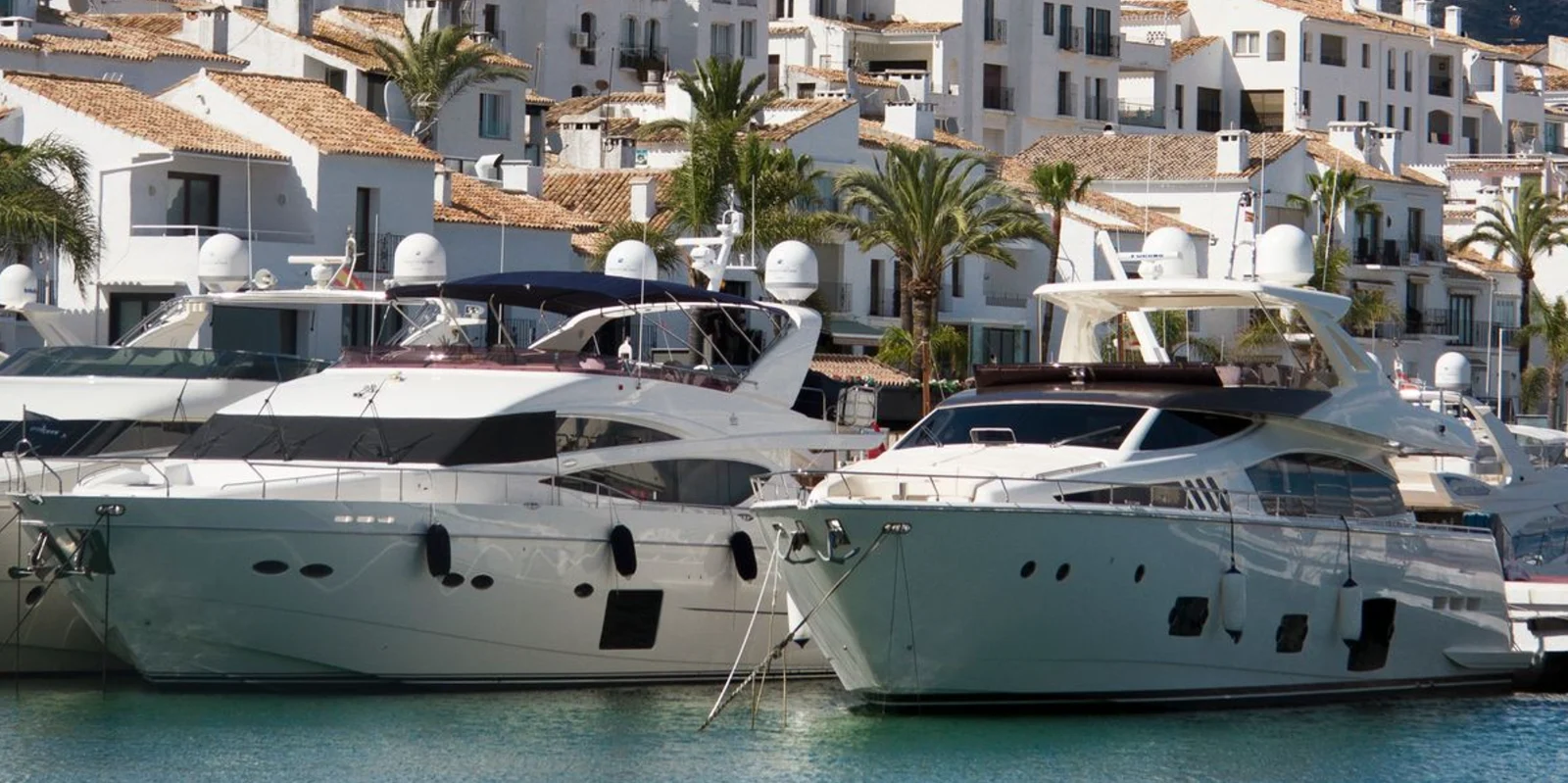
Is Marbella Expensive? A Realistic 2026 Budget Guide
Real daily costs in Marbella: hotels, meals, beach clubs and transport, with budget tips for travelling the Costa del Sol and Andalusia.
Leer más sobre Is Marbella Expensive? A Realistic 2026 Budget Guide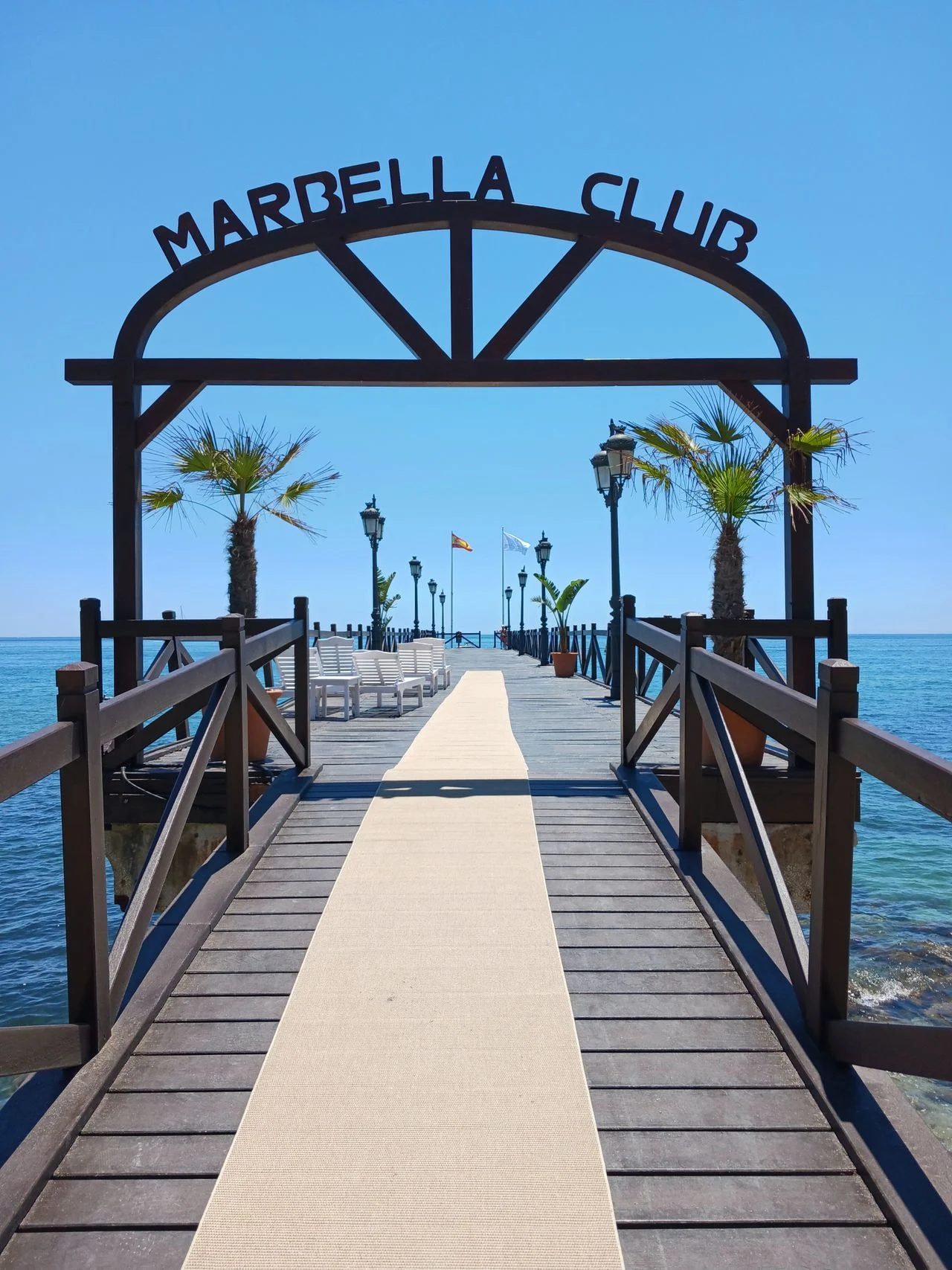
Marbella in October: Weather, Events and What's Open
October in Marbella: a warm sea, fewer crowds, open chiringuitos and autumn events across the Costa del Sol and wider Andalusia.
Leer más sobre Marbella in October: Weather, Events and What's Open