
Marbella Hidden Gems Only Locals Know
Guide to Marbella · 24 de septiembre de 2026
En esta guía
Beyond its glamorous marina and luxury resorts, Marbella holds quiet historical quarters, protected coastal ecosystems, and rugged mountain viewpoints. Highlights include the 1st-century Roman thermal baths of Las Bóvedas, the untouched pine-fringed Dunas de Artola in Cabopino, the working-class fishing port of La Bajadilla, and the scenic mountain trails of El Juanar in the Sierra Blanca.
Marbella carries a global reputation built on superyachts, designer boutiques, and lavish beach clubs. Yet behind the polished veneer of the Golden Mile lies a town steeped in deep Andalusian roots, ancient Mediterranean history, and dramatic natural scenery.
While most visitors rarely wander further than the central Plaza de los Naranjos or the waterfront promenade, stepping just a few streets inland or driving ten minutes into the coastal foothills reveals a radically different municipality. If you are keen to experience the authentic side of the Costa del Sol, these local secrets and lesser-known corners showcase the Marbella that residents cherish.
1. Barrio Alto and Barrio Nuevo: The Untouched Old Town
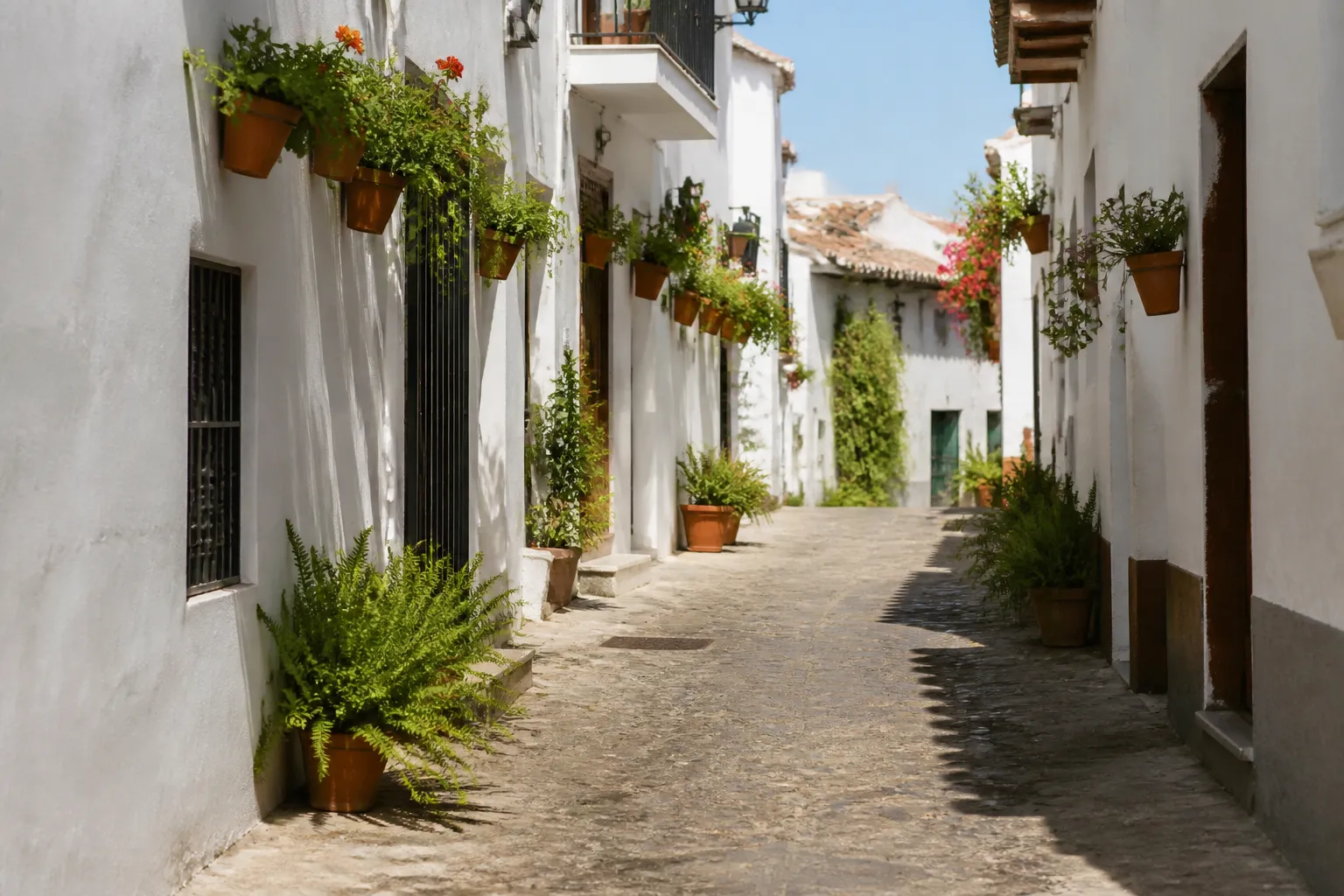
While tour groups pack the souvenir shops around Plaza de los Naranjos, the northern tier of Marbella’s historic centre remains refreshingly residential. Known as the Barrio Alto and Barrio Nuevo, this cluster of quiet streets stretches upwards towards the remains of the Moorish castle wall (Muralla del Castillo).
Here, narrow alleys such as Calle Ancha, Calle San Cristóbal, and Calle Arte feature traditional whitewashed houses adorned with overflowing bougainvillea and geraniums. You will find small neighbourhood bakeries, quiet plazas, and local seniors sitting outside on wicker chairs in the evening shade.
- Plaza Santo Cristo: A tranquil square dominated by the 16th-century Ermita del Santo Cristo de la Vera Cruz, featuring a vibrant ceramic-tiled bell tower.
- Where to eat: Slip down tiny side alleys to discover no-nonsense tapas institutions like Bar El Estrecho (tucked away since 1954) or Bodeguita El Churrero, serving seasoned carne con tomate and local morcilla for a fraction of resort prices. For wider culinary ideas, browse our curated guide to where to eat in Marbella.
- Best time to visit: Late afternoon, around 18:00 to 20:00, when local shops reopen after the siesta and the residential streets come alive with neighbourhood chatter.
2. Roman Heritage: Las Bóvedas and Villa Romana de Río Verde
Marbella’s history stretches back far beyond its 20th-century tourism boom. The municipality is home to some of the most significant, yet curiously overlooked, Roman and Paleo-Christian archaeological sites in southern Spain, carefully catalogued by the Ayuntamiento de Marbella.
Termas Romanas de Las Bóvedas
Located 12 kilometres west of Marbella centre in the coastal suburb of Guadalmina Baja, Las Bóvedas is a 3rd-century Roman thermal bath complex. Built from vaulted concrete and mortar, the structure remains remarkably intact, standing just 50 metres from the sea. Surrounding the baths are circular bathing chambers that supplied hot and cold water to the Roman settlement of Cilniana.
Villa Romana de Río Verde
Situated just inland from the western end of the Golden Mile, this 1st-century Roman villa was part of a major garum (fermented fish sauce) production facility. It is celebrated across Spain for its rare black-and-white culinary mosaics, depicting fish, game, roasting spits, and an intricate head of Medusa.
Both sites operate restricted visiting windows (typically limited weekend mornings), which keeps them virtually free from crowds. You can verify opening times through the municipal cultural heritage office or at the central tourist information desk on Plaza de los Naranjos.
3. High Above the Coast: Refugio de Juanar and Sierra Blanca
When the summer heat builds along the coast, locals head directly into the mountains. Rising sharply behind Marbella, the Sierra Blanca range culminates in the imposing peak of La Concha (1,215 metres), visible across the entire western Costa del Sol.
Just an 11-kilometre drive north via the A-355 towards Ojén brings you to the Refugio de Juanar, an area of thick Corsican pine and olive groves managed within the protected biosphere boundaries documented by the Junta de Andalucía.
- Mirador del Juanar: An easy, 30-minute flat walk (approx. 2.5 km) suitable for families, leading to an expansive clifftop lookout that offers panoramic views over Marbella, the Mediterranean Sea, and the Rock of Gibraltar.
- Mirador del Macho Montés: A slightly steeper 45-minute path that climbs to a stone monument dedicated to the wild mountain ibex (cabra montés) that inhabit these crags.
- Wildlife watching: Keep an eye out for golden eagles, royal owls, and wild boars in the lower scrub.
Visiting during autumn or spring provides the best walking conditions. The national weather portal AEMET tracks local mountain forecasts, which can differ substantially from coastal beach temperatures.
4. Dunas de Artola and Torre Ladrones
Most travellers stick to the urban beaches near the town centre, but 14 kilometres east sits the Monumento Natural Dunas de Artola. This preserved sand dune reserve is the only remaining stretch of undeveloped coastal dunes in the entire Marbella district.
A network of raised timber walkways meanders through maritime junipers, sea daffodils, and sandy ridges down to the water. Dominating the western edge is the Torre Ladrones, a 14-metre-high defensive watchtower dating back to Roman origins and reinforced during the Nasrid dynasty.
This stretch of coast offers a far more tranquil atmosphere than standard resort beaches. The eastern section bordering Cabopino port provides family-friendly shallow waters, while the western expanses remain relaxed and wild. Compare this with other options in our guide to the best beaches in Marbella.
5. Barrio de los Pescadores: Puerto de La Bajadilla
While Puerto Banús attracts superyachts and high-end automotive displays, Marbella’s real maritime life unfolds at the eastern harbour, Puerto de La Bajadilla. This working fishing port serves as the base for the local fishermen's guild (Cofradía de Pescadores).
Every weekday afternoon around 16:30, fishing trawlers return with their daily catch of red mullet, sardines, octopus, and sea bass. While the auction floor is commercial, the rustic bars and modest seafood restaurants immediately facing the docks serve fresh catch without the luxury markup.
- What to order: Ask for the pescaíto frito (mixed fried fish) or almejas salteadas (sautéed clams in garlic and sherry).
- Vibe: Paper tablecloths, cold draft beer, and chatter from fishermen repairing their green nets along the quayside.
Comparing Marbella's Lesser-Known Cultural and Natural Sites
| Site / Landmark | Setting / Type | Distance from Old Town | Access & Entry Cost | Best Visiting Months |
|---|---|---|---|---|
| Termas de Las Bóvedas | Roman thermal baths | 12 km West | Free (specific scheduled slots) | October to May |
| Dunas de Artola | Protected sand dune reserve | 14 km East | Free open public access | Year-round (mornings) |
| Refugio de Juanar | Mountain trails & forest | 11 km North | Free parking & trail access | October to April |
| Villa Romana de Río Verde | Roman villa & mosaic floor | 5 km West | Free (Friday to Sunday mornings) | September to June |
| Barrio Alto (Ermita Santo Cristo) | Historic quarter & plaza | 0.4 km North | Free open access | Year-round (evenings) |
The local secret
Many visitors assume Marbella's archaeological sites are permanently closed because the gates are locked during standard operating hours. In reality, the Marbella Delegation of Culture opens the Roman Baths of Las Bóvedas, the Villa Romana of Río Verde, and the 4th-century Paleo-Christian Basilica of Vega del Mar for free entry during specific, supervised two-hour windows on Friday, Saturday, and Sunday mornings (generally between 09:00 and 11:00 or 10:30 and 13:30, alternating by season). Checking the current schedule at the tourist office on Plaza de los Naranjos allows you to explore premier Roman ruins completely free and without tour crowds.
Practical Tips for Exploring Beyond the Resort Strip
To see the genuine side of Marbella, adjusting your daily schedule makes a significant difference:
- Transport: While the historic centre and fishing port are completely walkable, reaching the Dunas de Artola or Refugio de Juanar requires transport. The local Avanza bus (Line L-79 or coastal services) connects central Marbella to San Pedro and Cabopino, but an excursion into the mountains at Juanar requires a car or taxi (around €20–€30 each way from town).
- Timing: Traditional tapas bars in the Barrio Alto serve lunch from 13:30 to 16:00 and dinner from 20:30 onward. Arriving earlier usually means finding closed kitchens.
- Combine activities: You can easily combine an exploration of the Roman ruins at San Pedro with a quiet walk along the newly renovated San Pedro boulevard and a meal in the traditional town centre of San Pedro de Alcántara, largely untouched by high-end tourism. For broader sightseeing inspiration, check our comprehensive overview of top 10 things to do in Marbella.
- Official information: For official national heritage guidelines and provincial nature itineraries, refer directly to Spain's official tourism portal.
Questions people ask
What is the quietest part of Marbella's Old Town? The northern quadrant above Calle Ancha, known as Barrio Alto and Barrio Nuevo, receives minimal tourist footfall compared to the areas immediately surrounding Plaza de los Naranjos. It features quiet residential alleys, small neighborhood chapels, and modest family-run bars.
Can you visit Roman ruins in Marbella for free? Yes. The Termas Romanas de Las Bóvedas, the Villa Romana de Río Verde, and the Basílica Paleocristiana de Vega del Mar are municipal archaeological sites offering free entry during designated morning slots on weekends, overseen by the local council's cultural department.
Are there wild nature reserves within Marbella municipality? Yes. The Monumento Natural Dunas de Artola in Cabopino protects an intact ecosystem of sand dunes and maritime forest. Additionally, the southern foothills of the Sierra de las Nieves biosphere reserve begin just north of the town limits near Ojén and the Refugio de Juanar.
Where do locals eat seafood in Marbella without tourist markups? Locals head to the traditional seafood bars surrounding the working fishing harbour at Puerto de La Bajadilla, or seek out neighbourhood freidurías (fried fish shops) in the working-class districts of Miraflores and Divina Pastora, east of the historic centre.
Artículos relacionados
What's On in Marbella in May
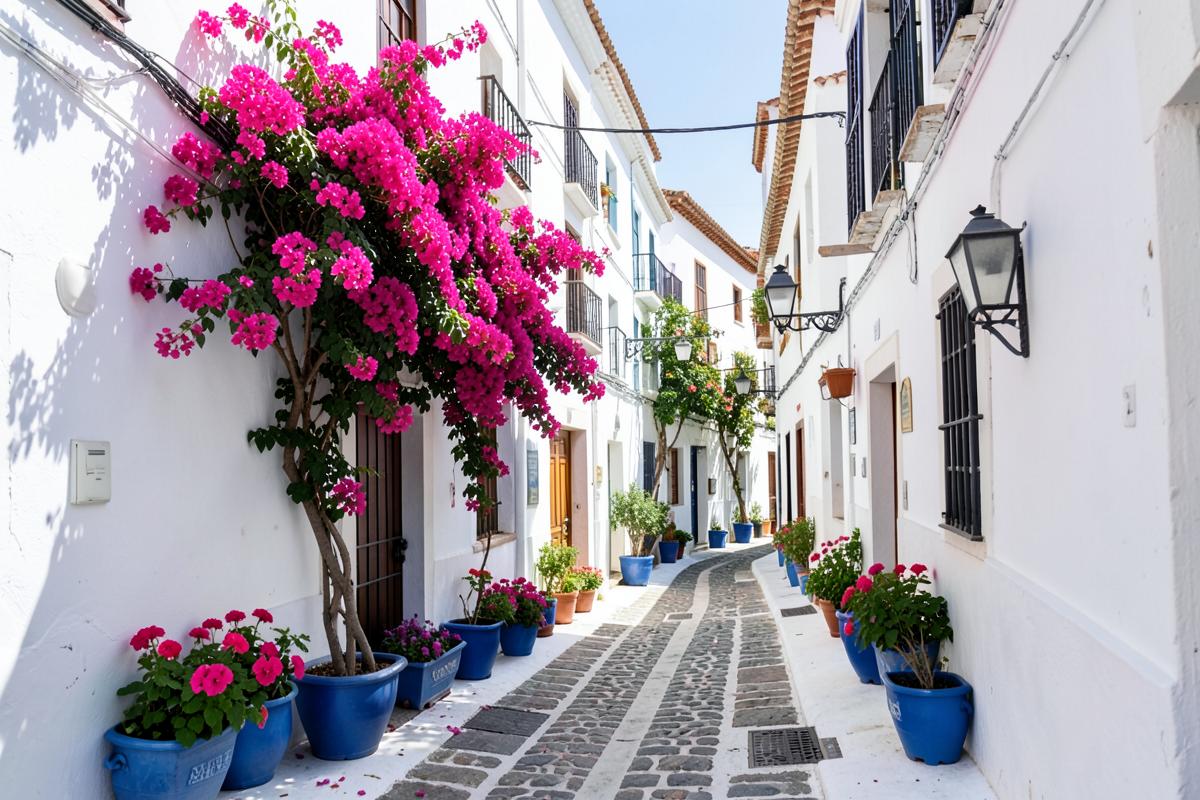
May in Marbella: warm weather, quiet beaches, ferias and events across the Costa del Sol, the ideal month to explore Andalusia.
Leer más sobre What's On in Marbella in May
Renting a Boat in Marbella: Prices and Options
Boat hire on the Costa del Sol: charter prices, Marbella and Puerto Banus ports, licence rules and the best coastal routes in Andalusia.
Leer más sobre Renting a Boat in Marbella: Prices and Options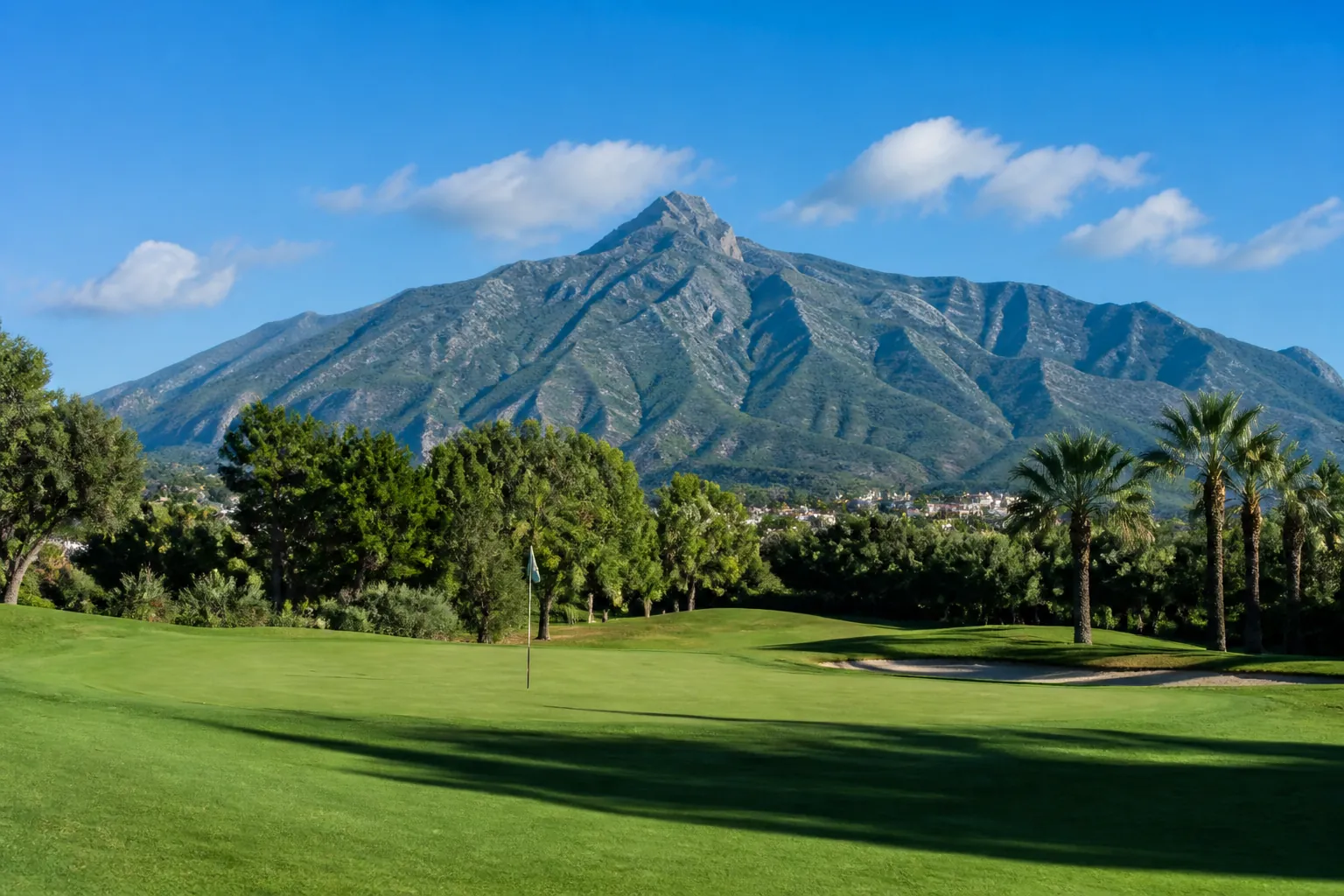
Golf in Marbella: Courses and Green Fees Compared
Compare green fees and tee times across Marbella's Golf Valley, Benahavis and East Marbella, the best golf on Andalusia's Costa del Sol.
Leer más sobre Golf in Marbella: Courses and Green Fees Compared